
Hemp seed or clones?
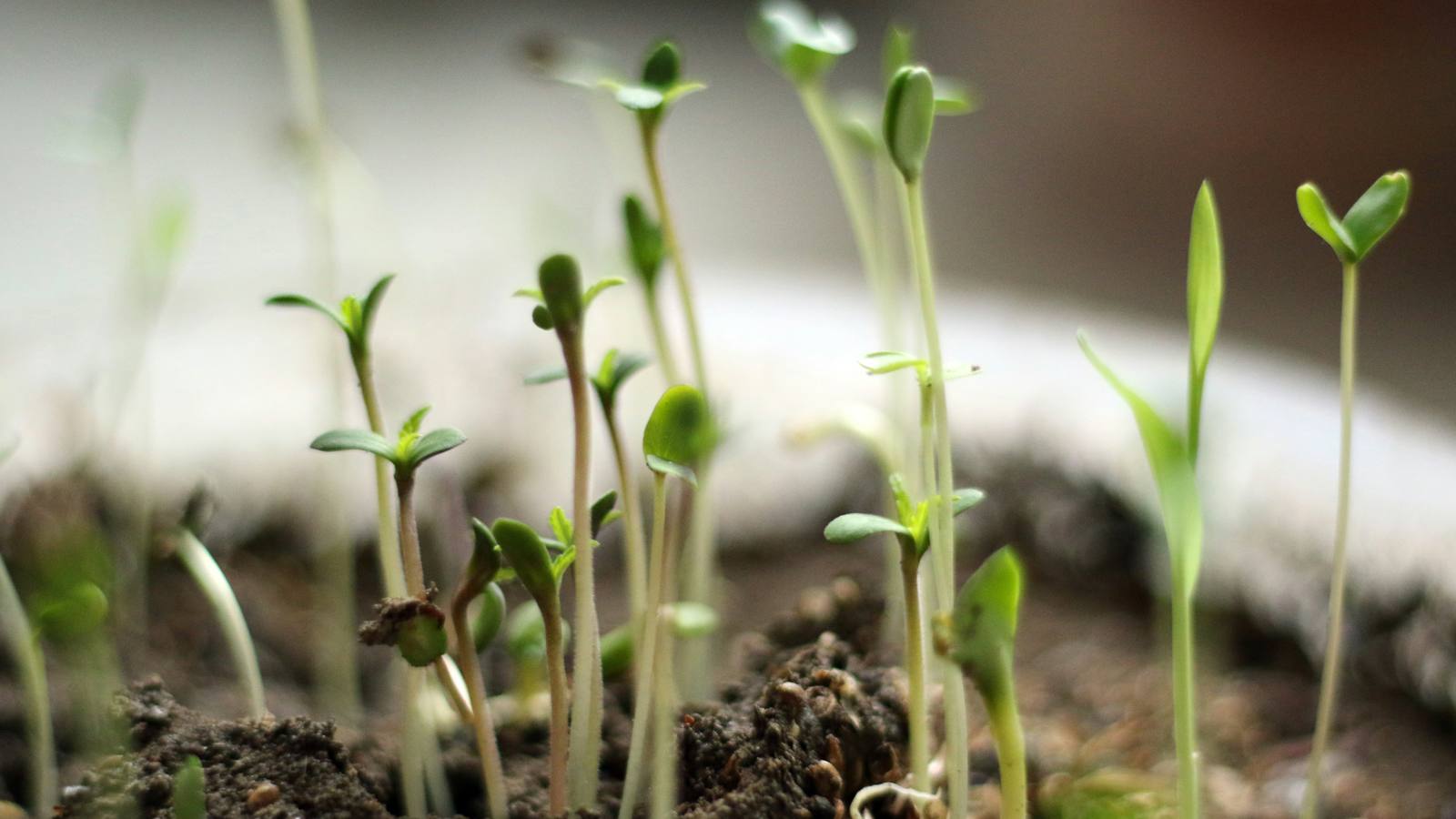
With hemp cultivation now open to anyone who notifies New Zealand Police and the Ministry for Primary Industries (MPI), one of the first decisions growers face is whether to start with seed or clones.
Both may be bought, sold, and supplied within New Zealand to a person permitted to possess hemp under the new regulations. They each have advantages and disadvantages, and the right choice depends on how and where you intend to grow.
Starting with clones
A clone is a cutting taken from a mother plant and grown on its own roots, meaning it is genetically identical to the plant it came from. Under similar growing conditions it will produce a cannabinoid profile within the same general range as the mother plant.
Clones, however, inherit more than just genetics from the mother. They may also carry any pests or diseases present. Hop latent viroid is now widespread in cannabis and hemp internationally and is spread primarily through cuttings and contaminated tools.
An infected plant can appear healthy for months before symptoms develop, eventually reducing plant vigour, flower quality, and cannabinoid production. Other issues including powdery mildew, russet mites, aphids, and thrips can also be introduced through infected clone stock.
These pests and diseases are not generally transmitted through seed, which is one of the reasons seed remains the preferred starting point for many outdoor crops. When purchasing clones, ask the supplier what testing or plant health monitoring is carried out on their mother stock.
Starting with seed
Hemp is dioecious, meaning individual plants are either male or female. Regular seed typically produces approximately equal numbers of male and female plants. Females produce the flower and seed, while males produce the pollen. In a crop grown for flower, all males are removed before the pollen sacs open. If growing for seed, the males that are not selected as pollinators are removed.
Feminised seed is produced by inducing a female plant to produce pollen and applying it to another female, so the offspring have only female parentage. The female is sprayed with silver thiosulfate at the point it begins to flower. Silver blocks the plant's ethylene signalling, which maintains female flowering. In its absence, the plant develops male flowers and produces viable pollen. It remains genetically female throughout, so its pollen carries only female sex chromosomes and the seed it produces grows out almost entirely female.
Feminised seed removes the need to identify and remove male plants, but it also leaves you without any, so there is nothing to select as a pollen parent and no way to make your own crosses. Anyone intending to breed needs regular seed.
Seed-grown plants develop a taproot that grows deep into the soil before branching into the surrounding root system. Clones cannot produce a taproot and instead develop a shallower fibrous root system from the stem.
Outdoors, a taproot can access moisture deeper in the soil and generally performs better through dry periods, while clones rely more heavily on moisture in the upper soil profile, making irrigation more important during extended dry weather.
Plants grown from seed are siblings rather than identical copies, so some variation in height, structure, flowering time, and cannabinoid expression is normal. For breeders, that variation is valuable, while growers seeking complete uniformity may prefer clones.
Seed is also much easier to store. Kept cool, dry, and protected from light and moisture, quality hemp seed can remain viable for years. Clones are living plants that need to be transported, planted, watered, and cared for immediately.
Clones are considerably more expensive as well and, at the time of writing, are commonly advertised in New Zealand for around $25 each, making seed the more economical option for larger plantings.
Pollen
Female plants can also produce pollen sacs under sufficient stress, a condition known as hermaphroditism. This can occur in both female clones and plants grown from feminised seed, so every crop is worth checking throughout the flowering period.
Cannabis pollen is fine enough to travel well beyond a property boundary, so a male left to release pollen near a crop grown for flower or seed purity can become a problem for anyone downwind. For regular seed crops, know when your plants are likely to show sex and remove male plants as they appear. If you intend to keep males for breeding, isolate them well away from flowering plants or bag the branches you are working with.
If you are sowing hemp seed outdoors, it is also worth checking whether there are other hemp, medicinal cannabis, or recreational cannabis crops nearby and minimising any risk of pollen drift.
Choosing
Every growing season is different. Climate, soil type, rainfall, and your intended end use all influence whether seed or clones, and which cultivar, will be best suited to your situation.
Our Far North-grown hemp seed is backed by four years of Certificates of Analysis, demonstrating stable cannabinoid profiles with CBD typically exceeding 14% and THC never exceeding 0.7%.
While laboratory analysis provides valuable information about a cultivar's genetics, it does not guarantee the cannabinoid profile of a future crop grown under different conditions.
If you'd like to know more about our cultivars or discuss which one is best suited to your growing conditions, get in touch for a chat.