
Growing hemp under the new regulations
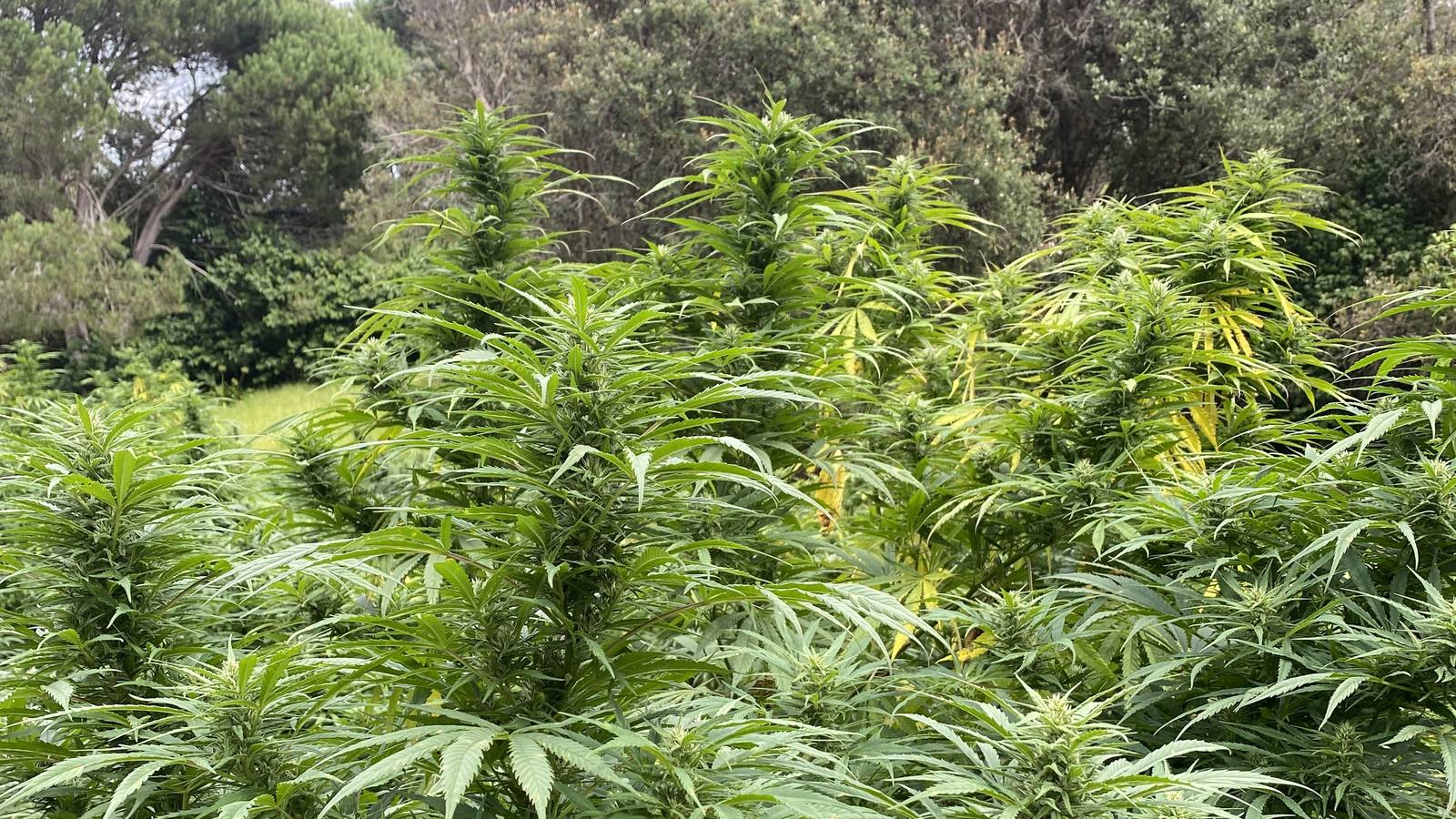
On 28 May 2026, the Misuse of Drugs (Industrial Hemp) Regulations 2006 were revoked. Hemp is now regulated under the Misuse of Drugs Regulations 1977, as amended by the Misuse of Drugs Amendment Regulations 2026.
The new regulations define hemp as cannabis plant or fruit containing no more than 1% THC by dry weight, or seed harvested from a plant that meets this definition.
The industrial hemp licensing scheme, approved cultivar list, and associated reporting requirements and costs have been replaced by an annual notification process. Anyone intending to cultivate hemp must notify both New Zealand Police and the Ministry for Primary Industries before cultivation begins.
Permitted activities
Cannabis that meets the definition of hemp may be cultivated, possessed, processed, procured, sold, or supplied for the purposes permitted under the regulations without an industrial hemp licence.
The permitted purposes include:
- breeding new hemp cultivars and varieties
- researching the suitability of hemp cultivars and varieties for the production or manufacture of hemp products
- producing or manufacturing hemp products
- selling or supplying hemp to a person permitted to possess hemp under these regulations or another enactment
The inclusion of processing and procurement within the permitted activities reflects a broader framework than the previous licensing regime, which was primarily focused on cultivation under controlled conditions.
Notification requirements
Before cultivating hemp, you must notify both New Zealand Police and the Ministry for Primary Industries (MPI).
Under regulation 22A of the Misuse of Drugs Regulations 1977, a Police notification must include:
- identifying details of the person
- the person's address and contact details
- the address of the location or locations where hemp will be cultivated, including a plan or map if the location is not easily identified from the address
- a description of the intended nature and scale of the cultivation
The notification is valid for one year from the date it is made. If you continue cultivating hemp, a new notification must be submitted each year.
The regulations do not prescribe a format for the cultivation description, a minimum length, or specific categories that must be selected. The description is expected to accurately reflect the cultivation you intend to undertake.
A Police notification can be submitted directly to hempnotifications@police.govt.nz
New Zealand Police have also published a hemp notification form for growers to use. The form requests some additional information that is not specified as a requirement under regulation 22A, including details such as growing environment, production categories, and cultivation area ranges.
Under regulation 22B of the Misuse of Drugs Regulations 1977, MPI notification must include the person's identifying details, address, and contact details.
The notification is valid for one year from the date it is made. If you continue cultivating hemp, a new notification must be submitted each year.
MPI notifications can be sent to info@mpi.govt.nz
Keep a copy of your notifications and the date they were submitted for your own records.
Importing and exporting hemp
The changes to cultivation do not remove the separate licensing requirements for importing or exporting hemp.
Under regulation 7 of the Misuse of Drugs Regulations 1977, a licence is still required to import or export hemp. An application must include:
- the name, address and contact details of the applicant
- a Ministry of Justice criminal record check dated no earlier than six months before the application
- where the applicant is applying on behalf of a body corporate or partnership, a declaration confirming they are authorised to apply and will be responsible for activities undertaken under the licence
If you plan on buying hemp seed from an overseas supplier, expect additional costs beyond the price of the seed and allow extra time for the process.
Depending on the shipment, costs may include:
- import approvals and permit fees
- freight and handling charges
- border inspection costs
- testing or treatment costs where required
- storage charges if clearance is delayed
MPI's current fee for a seed-for-sowing import permit application is $268.24 including GST. Biosecurity inspection work is charged separately where required, and additional costs may apply if testing, treatment, or further assessment is needed.
Sourcing hemp seed grown in New Zealand avoids the associated import costs and delays and allows growers to purchase genetics with a known growing history under New Zealand conditions.
Testing requirements
The regulations do not specify any requirement for THC testing before planting, during cultivation, or after harvest.
The Ministry of Health (MoH) guidance confirms that testing requirements for hemp have been removed. It notes that growers may choose to continue testing to ensure they are only growing or dealing with hemp and are complying with the regulations. The guidance also confirms that there have been no changes to the method used for testing hemp plant material for THC content.
Testing is therefore a choice for growers rather than a routine regulatory requirement. A cannabinoid profile can provide information about the genetics being grown and the characteristics of the crop.
The cost of cannabinoid testing varies depending on the laboratory and the scope of analysis, with full cannabinoid profiles generally costing from $150-$500 per sample.
The regulatory changes have created a simpler pathway for hemp cultivation in New Zealand, but growers still need to understand the requirements that apply to their situation.